Start Your Build
Winter Camper Van Conversions in Canada: Must-Have Features for Ski Builds
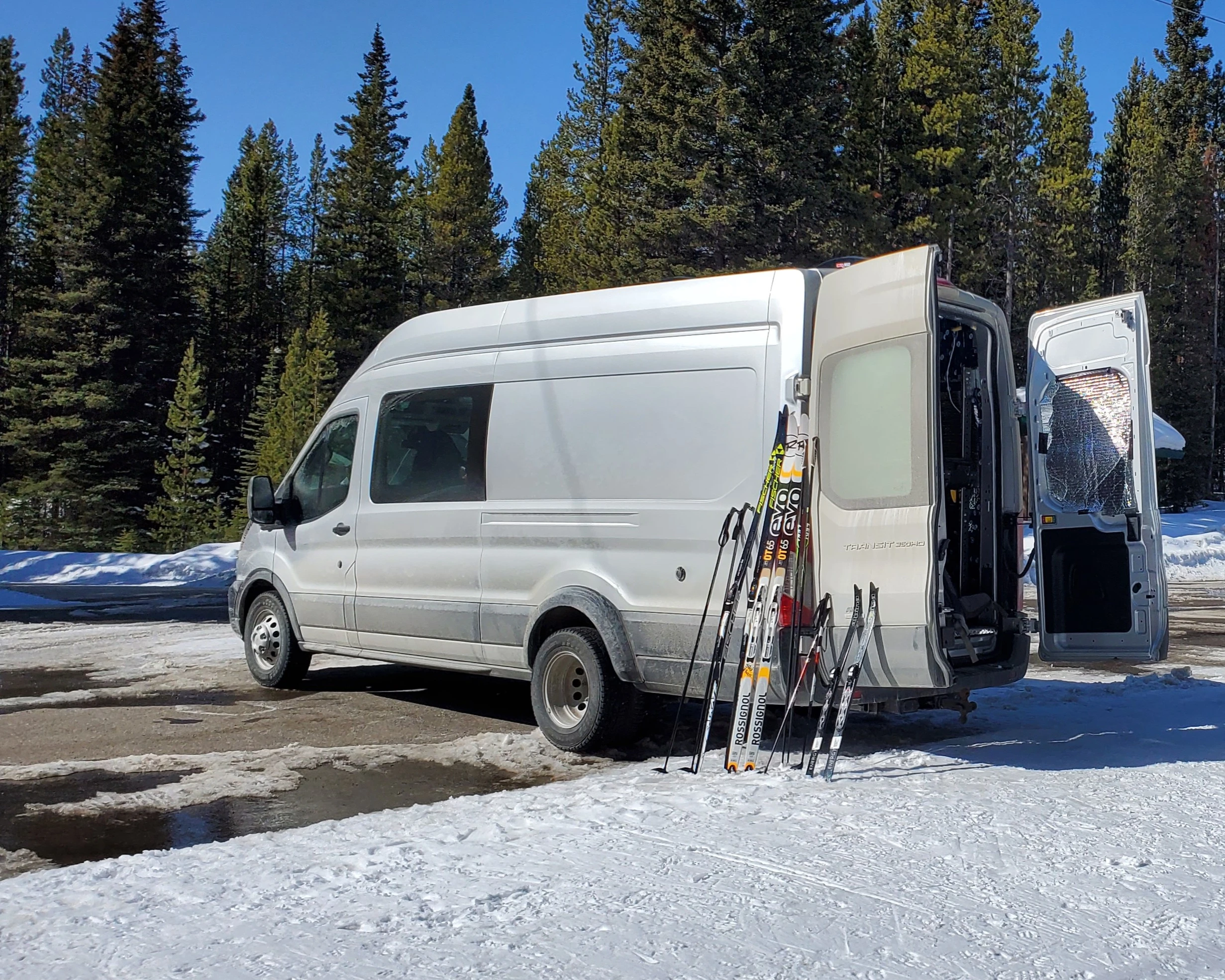
When most people picture vanlife, they imagine winding summer roads and oceanside sunsets. In Canada, the reality is much tougher—and much more rewarding. Winter vanlife means waking up to −30 °C mornings in Banff, carving fresh lines at Red Deer, and weathering Jasper blizzards from the comfort of your own mobile basecamp.
A true winter camper van conversion goes far beyond cabinets and countertops. It requires advanced insulation, dependable heating, strong off-grid power, and smart storage built specifically for skiers and snowboarders. Done right, your van becomes a four-season chalet on wheels, ready to thrive wherever the snow takes you.
In this guide, Reliable Campers breaks down the must-have features of ski van conversions in Canada, using both technical expertise and on-the-slopes scenarios from the Rockies. Whether you’re a weekend warrior from Calgary or a full-time vanlifer chasing storms across BC, these insights will help you plan a build that thrives in snow and sub-zero conditions.
Why Winter Camper Van Conversions Matter in Canada
A camper van that works fine in the summer can fail quickly in the winter. Frozen plumbing, condensation, or underpowered heating can make your rig uncomfortable—or even unsafe.
Winter-ready builds allow you to:
- Park slopeside instead of commuting from hotels.
- Sleep through −25 °C nights without frozen gear.
- Save money by cooking your own meals instead of resort dining.
- Enjoy more time skiing, less time driving icy highways.
If you’re considering a winter-ready build, explore Reliable Campers’ Ski Vans—our conversions designed from the ground up for snow, ice, and Canadian winters.
Must-Have Features for Ski Builds
A ski-ready van isn’t just a luxury—it’s a necessity for anyone who plans to live and travel in Canadian winters. Here’s a quick comparison before we dive deeper:
| Feature | Essential for Winter | Optional Upgrade | Lifestyle Benefit |
|---|---|---|---|
| Insulation | Closed-cell insulation, vapor barriers | Double-pane windows, blackout covers | Stay warm without draining batteries |
| Heating | Diesel/propane air heater | Hydronic heating, backup systems | Cozy nights + protected plumbing |
| Power | Solar + lithium, alternator charging | Shore power, high-output inverter | Reliable energy for lights, boot dryers |
| Water | Insulated/indoor tanks, heated lines | Drain-back systems, hydronic protection | Hot showers & cooking in −20 °C |
| Storage | Heated boot drawers, ski bays | Roof boxes, external lockers | Dry gear, organized space |
| Driving | AWD/4WD, snow-rated tires | Chains, lift kits, traction boards | Safe access to mountain roads |
If you’re planning a winter-ready rig, explore Reliable Campers’ Ski Vans —engineered specifically for Canadian snow, sub-zero conditions, and slopeside living.
Insulation & Thermal Control
Insulation is the backbone of every winter conversion. Without it, heaters run constantly, condensation builds up, and comfort disappears.
Options include:
- Closed-cell spray foam or board insulation for high R-value and moisture resistance.
- Insulated blackout window covers to trap heat at night and block glare during the day.
- Vapor barriers to prevent hidden condensation behind walls.
- Double-pane windows for reduced drafts and improved efficiency.
On-the-Slopes Scenario: In Canmore, where temperatures dip below −30 °C, proper insulation means waking up ready to ski instead of scraping frost from the inside of your van.
Heating Systems
Heating is non-negotiable in ski vans. Without it, frozen plumbing and sleepless nights are inevitable.
Options include:
- Diesel or propane air heaters: Compact, efficient, and quiet.
- Hydronic heating: Circulates heat while protecting plumbing—perfect for long Rockies trips.
- Backup systems: Portable propane or electric heaters for emergencies.
On-the-Slopes Scenario: A skier staging near Golden, BC, runs a diesel heater for cabin warmth while hydronic lines keep water systems flowing for morning coffee.
Off-Grid Power Systems
Short winter days and cloudy weeks make reliable power essential.
Options include:
- Solar panels + lithium batteries: Renewable, off-grid power.
- Alternator charging: Keeps batteries topped up during storms or long drives between ski towns.
- Shore power hookups: Plug in at resorts or driveways when available.
On-the-Slopes Scenario: An Edmonton couple parked in Jasper for five days depends on solar plus alternator charging to run heaters, lights, and boot dryers without issue.
Winterized Water Systems
Water is one of the hardest systems to protect in freezing temps.
Options include:
- Insulated or interior-mounted tanks: Keeps water usable in freezing temperatures.
- Heated lines or tank pads: Prevent freeze-ups in sub-zero conditions.
- Drain-back or bypass systems: Allows safe winter operation in extreme cold.
- Hydronic protection around plumbing: Maintains consistent heat and prevents damage.
On-the-Slopes Scenario: A family in Revelstoke uses heated lines and internalized tanks to enjoy showers and cooking water—even when temps fall below −20°C.
Ski & Gear Storage
Wet gear can quickly turn your van into a swamp. Smart storage keeps gear organized and your living space dry.
Options include:
- Heated boot drawers: Warm liners ready for the morning.
- Under-bed ski bays: Built-in drainage prevents pooling water.
- Rear gear garages: Airflow helps dry snowboards and jackets.
- Roof boxes or exterior lockers: Ideal for bulky or damp gear.
On-the-Slopes Scenario: A Calgary rider chasing storms to Fernie depends on heated boot drawers so she never has to start the day with frozen boots.
Already planning your gear setup? Browse our Van Accessories for heated boot drawers, ski storage, and off-grid add-ons to keep your cabin organized and dry.
AWD, Tires & Winter Driving Features
Getting to the slopes is often harder than staying warm once you’re there. Winter builds must handle icy mountain roads.
Options include:
- AWD/4WD-ready platforms: Sprinters and Transits built for winter traction.
- Snow-rated all-terrain tires: 3PMSF-certified for ice and packed snow.
- Optional chains, traction boards, or lift kits: Added confidence on unplowed roads.
- Studded tires: Ideal for towns like Jasper, where ice lingers all winter.
On-the-Slopes Scenario: A Jasper-based vanlifer with 4WD and studded tires drives confidently to Marmot Basin, while others wait for plows to clear the roads.
DIY vs. Professional Ski Builds
Building your own ski van is tempting—lower cost, full control—but winter systems leave little room for error.
DIY vs. Professional Ski Builds Cost & Risk
| Factor | DIY Build | Professional Build (Reliable Campers) |
|---|---|---|
| Cost | $25,000–$60,000 materials (plus time) | $70,000–$160,000 turnkey |
| Timeline | Months to years (nights/weekends) | 2–4 months typical |
| Reliability | Risk of frozen plumbing, poor insulation | Rockies-tested, warranty-backed |
| Resale Value | Lower without certification | Higher resale with certified systems |
| Safety | Potential wiring/heating risks | Built to Canadian winter standards |
| Lifestyle Impact | Stress of trial/error | More ski days, less downtime |
If you’re considering a year-round adventure rig, explore Reliable Campers’ Camper Vans —our core builds tailored for Canadian conditions and four-season reliability.
Planning Your Ski Build Timeline
Budgeting is important, but so is time. Planning your build timeline ensures you don’t miss the season.
Step 1: Research & Consultation
Identify your lifestyle goals—weekend powder chaser, backcountry adventurer, or full-time Rockies resident.
Step 2: Design & Estimates
Reliable’s team tailors layouts and costs, pricing in options like hydronic heating or family bunks.
Step 3: Build Phase
Expect 2–4 months for most builds. Highly customized ski rigs may take longer.
Step 4: Shakeout & First Trip
Before a full ski season, plan a shorter trip to test heaters, power, and storage. Small tweaks now prevent big frustrations later.
Other Costs to Factor In
A winter van isn’t just about the build—it’s also about ongoing ownership.
Fuel Costs
Large AWD vans average 12–18L/100km. Frequent drives from Calgary to Banff add up quickly.
Maintenance
Diesel heaters, batteries, and hydronic systems need servicing. Budget $500–$1,500 annually.
Insurance
Converted vans often carry higher premiums. Get quotes before committing.
Upgrades Over Time
Many owners add solar panels, racks, or cabinetry after year one. Build flexibility into your budget.
| Budget Range | Must-Have Investments | Nice-to-Have Upgrades | Example Scenario |
|---|---|---|---|
| $60,000–$90,000 | Insulation, diesel heater, basic solar + lithium | Roof box, modular cabinetry | Weekend warrior from Calgary |
| $100,000–$130,000 | Hydronic heating, heated water lines, large solar bank | Family bunks, AWD upgrade | Full-time vanlifer in Banff |
| $140,000+ | AWD/4WD, premium finishes, extensive gear garage | Lift kits, luxury kitchen, full bathroom | Family ski rig for Jasper + Revelstoke |
Conclusion: Designing a Ski Van That Truly Works in Canada
A winter-ready camper van isn’t just about staying warm—it’s about building a mobile basecamp that performs in the harshest conditions. The must-have features outlined here—insulation, heating, power, water protection, storage, and winter driving upgrades—turn an ordinary van into a true four-season chalet on wheels. When these systems work together, you gain more than comfort: you gain safety, independence, and the freedom to chase fresh lines anywhere from Banff to Revelstoke.
By planning your ski build with these priorities in mind, you’ll spend less time troubleshooting frozen systems and more time enjoying powder mornings. Whether your goal is weekend storm chasing or full-time Rockies living, a Reliable Campers ski van ensures you’re ready for the realities of Canadian winter vanlife.
Frequently Asked Questions About Ski Van Builds
Before starting a ski van project, most clients ask similar questions. Here are Reliable’s answers:
How long does a ski van build take?
Typically 2–4 months, depending on layout and features. Early booking is recommended for winter delivery.
Are your vans warm enough for −30 °C?
Yes—Reliable builds are fully insulated, heated, and tested in Canadian Rockies conditions.
Can I store skis and boots inside?
Absolutely. Options include heated boot drawers, ski bays, and racks.
Can I live in a ski van year-round?
Yes—Reliable’s builds are designed for four-season Canadian living.
Is DIY cheaper than professional?
DIY may cost less upfront, but mistakes in insulation, heating, or electrical can quickly outweigh savings.
What about long-term maintenance?
Plan $500–$1,500 annually for heater servicing, battery replacements, and winter system upkeep.
Can I customize for my family?
Yes—family layouts with bunks, drying racks, and seating are common.
Ready to Build Your Winter Ski Van?
Reliable Campers specializes in Canadian Rockies-ready ski vans—insulated, heated, and handcrafted in Calgary for real winter living.
Whether you’re planning weekend trips, storm chasing, or full-time vanlife, we’ll build a rig that keeps you warm, organized, and slopeside all season.
Contact Reliable Campers today to start planning your custom winter build.
Testimonials
-
 Steve Calgary, AB
I wanted a simple build done on my 2022 Transit and I got some very high quotes from other places. The other companies seemed like they weren't interested in wasting their time on me. Mike at Reliable quoted me a good price and was able to start in just a few weeks. I saved enough money to pay for my epic ski trip. Thanks.
Read more -
Terry Vancouver, BC
I wanted to order a Sprinter 4x4 from Mercedes and they told me it would be at least a year before it would arrive. I figured my plans for the next summer were shot. I called around and found Reliable had the exact van I wanted in stock and ready to go. Michael got it built out and my summer trip to Alaska was on.
Read more -
Lisa Toronto, ON
I didn't really know much about vanlife stuff originally, but I knew I was pretty sick of living in Toronto. I'm fully remote so I figured maybe it was time to explore until I found somewhere I wanted to settle. Michael didn't just help me plan my van, he helped me plan my first trip! Great experience and I'm still loving it.
Read more