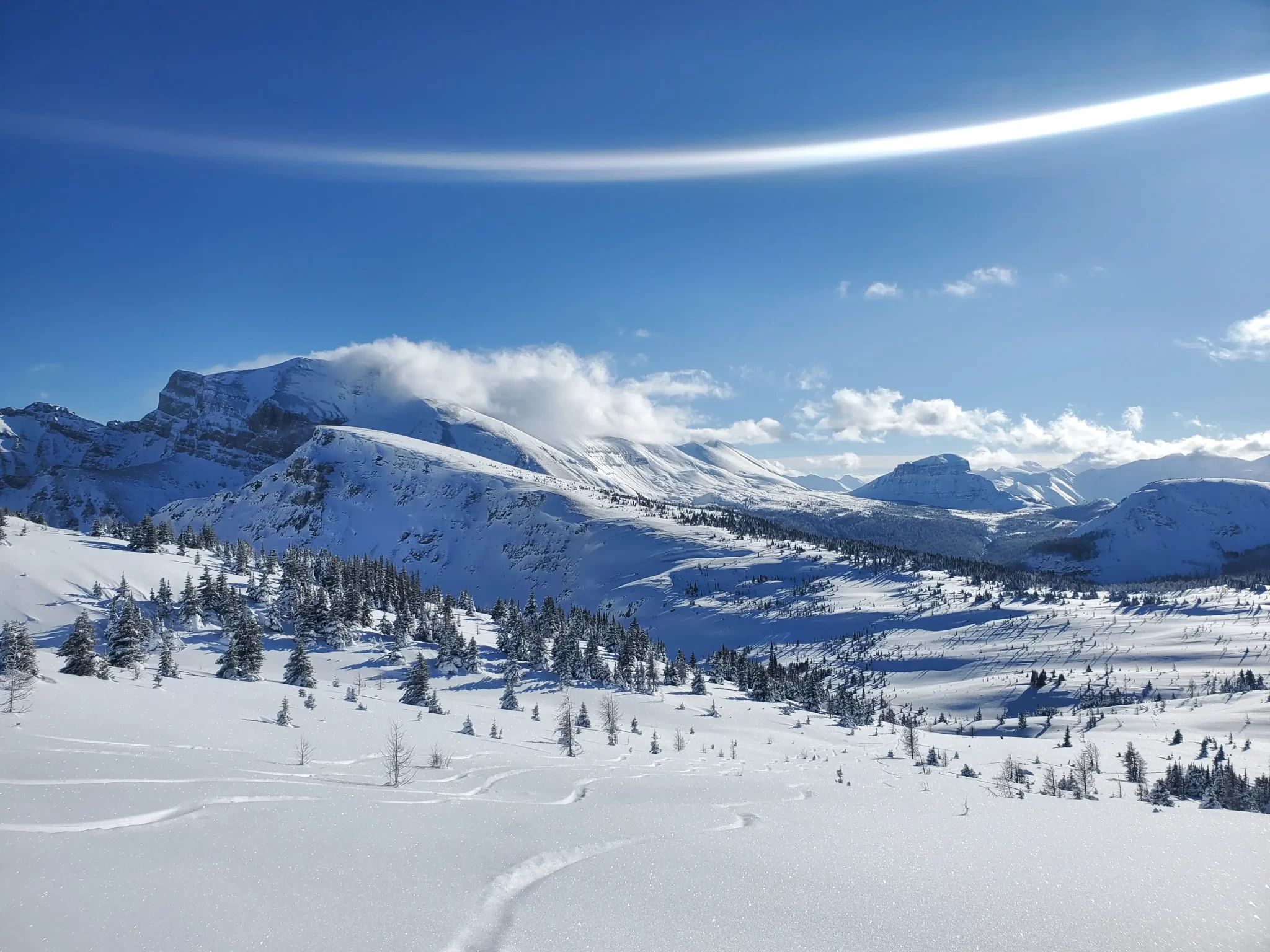
Adventure Van vs RV for Winter Camping in Canada
Winter camping demands more than a '4-season' RV. Find out why adventure vans thrive in real sub-zero conditions.
Winter Camping in Canada: RV or Adventure Van?
At Reliable Campers, we say it plainly: an RV is a summer child. It's built for campgrounds, not Canadian winters. Once the frost arrives, batteries die, plumbing freezes, and their size becomes a hazard on icy roads.
But an Adventure Van? That's a different machine. Purpose-built, insulated, heated, and winter-ready. If you chase snow instead of avoiding it, your vehicle must be able to do the same. This isn't about preference — it's about survival, safety, and comfort in real cold.
RV vs Adventure Van: What's the Difference?
RVs (including factory-built Class B camper vans) are designed for the mass-market traveler in North America — someone who rarely experiences real cold. Even models sold as '4-season' often rely on shore power and mild temperatures. Off-grid, in −25°C conditions, they fail fast.
While both vehicles may look similar on the surface, the truth lies beneath — in how they handle power, insulation, driveability, and off-grid performance.
1. The Power Problem — How Cold Can Kill Your Battery
The RV Flaw: External and Exposed Batteries
Most RVs mount batteries under the chassis or in unheated bays to save space and cost. When temperatures plunge, battery capacity drops sharply, and deep discharges cause damage. At −25°C, they can fail entirely — no power, no furnace, no heat.
The Adventure Van Solution: Heated Power That Lasts
Reliable Campers installs lithium banks inside protected, insulated compartments with battery management systems (BMS) tuned for Canadian cold. Combined with solar and alternator charging, you get reliable energy for heaters, lights, and boot dryers even through the longest nights.
The Comfort Compromise — Insulation
The RV Flaw: Profit-Driven Insulation
To maximize profit, manufacturers use as little insulation as possible. That's fine for July, disastrous in January. Thin walls and air leaks mean more fuel burned and less comfort.
The Adventure Van Solution: A Cocoon of Warmth
Reliable Campers uses closed-cell spray foam, vapour barriers, and insulated flooring to trap heat and block condensation. Add thermal window covers and you have a quiet, draft-free interior that feels like a chalet on wheels. The result is simple: less fuel used, more comfort gained.
3. The Driveability Danger — Size Matters on Icy Roads
The RV Flaw: Big, Slow, and Hazardous
RVs are heavy and tall. On icy mountain roads, they lose control quickly. If you're chasing fresh powder, the last place you want to end up is in a ditch waiting for a tow truck.
The Adventure Van Solution: Agile and Confident
Adventure Vans use lightweight AWD/4WD platforms like Sprinter or Transit with snow-rated tires and optional traction boards. You drive with confidence through Jasper, Revelstoke, and Kananaskis instead of waiting for plows.
Winter Physics 101: Why RVs Struggle and Adventure Vans Stay in Control
Winter driving isn't about luck — it's about physics. And physics is brutally honest. The size, weight, centre of gravity, tires, and drivetrain of your vehicle decide whether you stay in control… or end up waiting for a tow truck on the side of the Icefields Parkway. Here's why a conventional RV is at a disadvantage the moment temperatures drop, and why a purpose-built Adventure Van keeps you confidently moving through real Canadian winter.
The Core Problem: RVs Fight Physics, Adventure Vans Work With It
RVs are designed for pavement, parking lots, and mild weather. Their length, weight distribution, and rear-wheel drive layouts make them inherently unstable on snowy or icy surfaces. An Adventure Van, by contrast, is built on platforms engineered for traction, stability, and control.
Technical Comparison and Why It Matters in Winter
Stopping Distance: The Biggest Hidden Danger
Most winter accidents come from one thing: inability to stop. A big, heavy RV with all-season tires and rear-wheel drive needs dramatically more distance to come to a halt on snow or ice. A modern AWD Adventure Van with winter tires and advanced stability systems stops significantly faster.
Stopping Distance on Packed Snow
On icy roads in Banff, Revelstoke, Kananaskis, or the Coquihalla Pass, a few metres can be the difference between stopping safely and sliding into traffic — or off the road entirely.
Anatomy of a Winter-Ready Adventure Van
A Reliable Campers build isn't just AWD and insulation. The entire van is engineered as a winter system:
The Foundation: AWD/4WD Traction
Unlike older RV chassis, modern Sprinter and Transit 4x4 systems constantly monitor wheel slip and send power where you need it. This keeps you planted through uphill climbs, slush ruts, and ice patches.
The Connection: True Winter Tires
All-season tires turn hard and useless at −10°C. 3-Peak-Mountain-Snowflake (3PMSF) tires stay soft, biting into ice and packed snow — a major reason adventure vans stop faster and corner safer.
The Brain: Stability & Descent Control
Adventure Vans include modern vehicle dynamics systems RVs simply don't have:
- —Electronic stability control
- —Traction control
- —Downhill descent control
- —Anti-lock braking tuned for icy surfaces
These systems work together to prevent fishtailing, sliding, and uncontrolled stops.
The Insurance: Recovery Gear
A stuck RV means a tow bill. A stuck Adventure Van means a 10-minute delay. Common built-in recovery tools:
- —Traction boards
- —Winter shovel
- —Recovery points
- —Compact size for easy pull-outs
Winter Scenarios: How It Plays Out in Real Life
Scenario A: The Icy Pass
Side by Side
- →RV: Long wheelbase + rear-wheel drive = fishtailing on black ice. Driver fights for control, speed drops to a crawl.
- →Adventure Van: AWD engages automatically; ESC stabilises the slide; shorter wheelbase makes correction easy.
Scenario B: The Unplowed Parking Lot
Side by Side
- →RV: Low clearance + soft all-seasons = stuck before the day even starts.
- →Adventure Van: High clearance + aggressive tires = pulls into the lot and gets first tracks.
Proactive vs Reactive Driving Mindset
RVs are reactive. You wait for plows. You avoid hills. You hope the weather behaves.
Adventure Vans are proactive. You choose where you want to go — and the vehicle is capable enough to take you there. It's the difference between being limited by winter and being empowered by it.
Cost of Failure: The Real Price of an RV Breakdown in Winter
Don't Gamble Your Winter on a Summer Design
A conventional RV is built for campgrounds. A Reliable Campers Adventure Van is engineered for mountains. The difference shows on your first cold night out — one shivers, the other thrives.
Frequently Asked Questions About Winter Van Builds
You're not just comparing vehicles — you're weighing two different philosophies for winter travel. Here are clear answers to the most common questions we receive from winter adventurers.
Ready to Build Your Winter Warrior?
Reliable Campers designs Adventure Vans tested for real Canadian winter conditions — insulated, heated, and handcrafted in Calgary for true four-season living.
Contact Reliable Campers