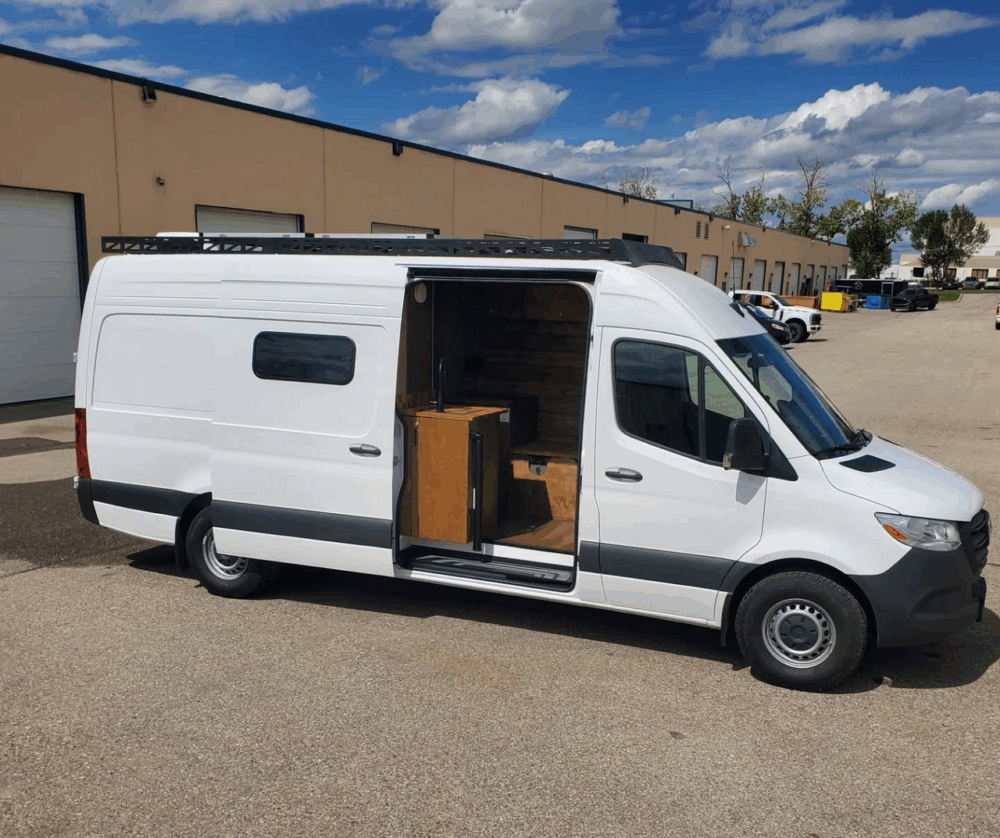
How Much Does a Camper Van Build Cost in Canada? (2026 Guide)
Discover the real cost of a camper van build in Canada. Full breakdowns, tables, features, and expert tips.
When people picture vanlife, they often imagine summer road trips. This is Canada, where vanlife means something more: surviving -30°C mornings, chasing powder days in the Rockies, and living comfortably in all four seasons. That's why the cost of a van build goes far beyond basic cabinetry and flooring—it's about insulation, heating, power, and storage systems designed for real Canadian winters.
This guide breaks down the true cost of a custom camper van conversion in 2026, using data from Reliable Campers' internal build sheets and real projects. You'll find detailed pricing tables, lifestyle examples, and smart budgeting advice to help you decide where to spend and where to save.
Whether you're planning weekend ski trips out of Calgary, backcountry adventures from Jasper, or four-season vanlife across Canada, this guide gives you the roadmap to get there.
Base Camper Van Conversion Costs in Canada
The foundation of any camper van build includes structural modifications, insulation, heating, electrical, and water systems. Costs vary depending on layout complexity, off-grid capacity, and winterization. We use specific wheelbase (WB) designations (e.g., '148 WB') for clarity, as van models like the Ford Transit and Dodge Promaster come in standard, extended, and high-roof configurations that significantly impact build space and cost.
Base Conversion Costs (Typical Ranges in 2026)
Real Build Scenarios
- →A couple in Calgary wanting weekend trips to Banff may only need an entry-level build with insulation, diesel heating, and a compact kitchenette—budget: ~$65,000.
- →A family planning months-long travel across Alberta, BC, and the Yukon will likely land in the $80,000–$100,000 range with full bunks, solar, and extended off-grid capacity.
Example Scenarios: Weekend vs. Full-Time Vanlife
Real Build Scenario
- →A family from Edmonton wanting to ski Jasper every weekend may choose a $90,000 family build—complete with heated bunks, drying racks, and efficient storage to handle mountain gear.
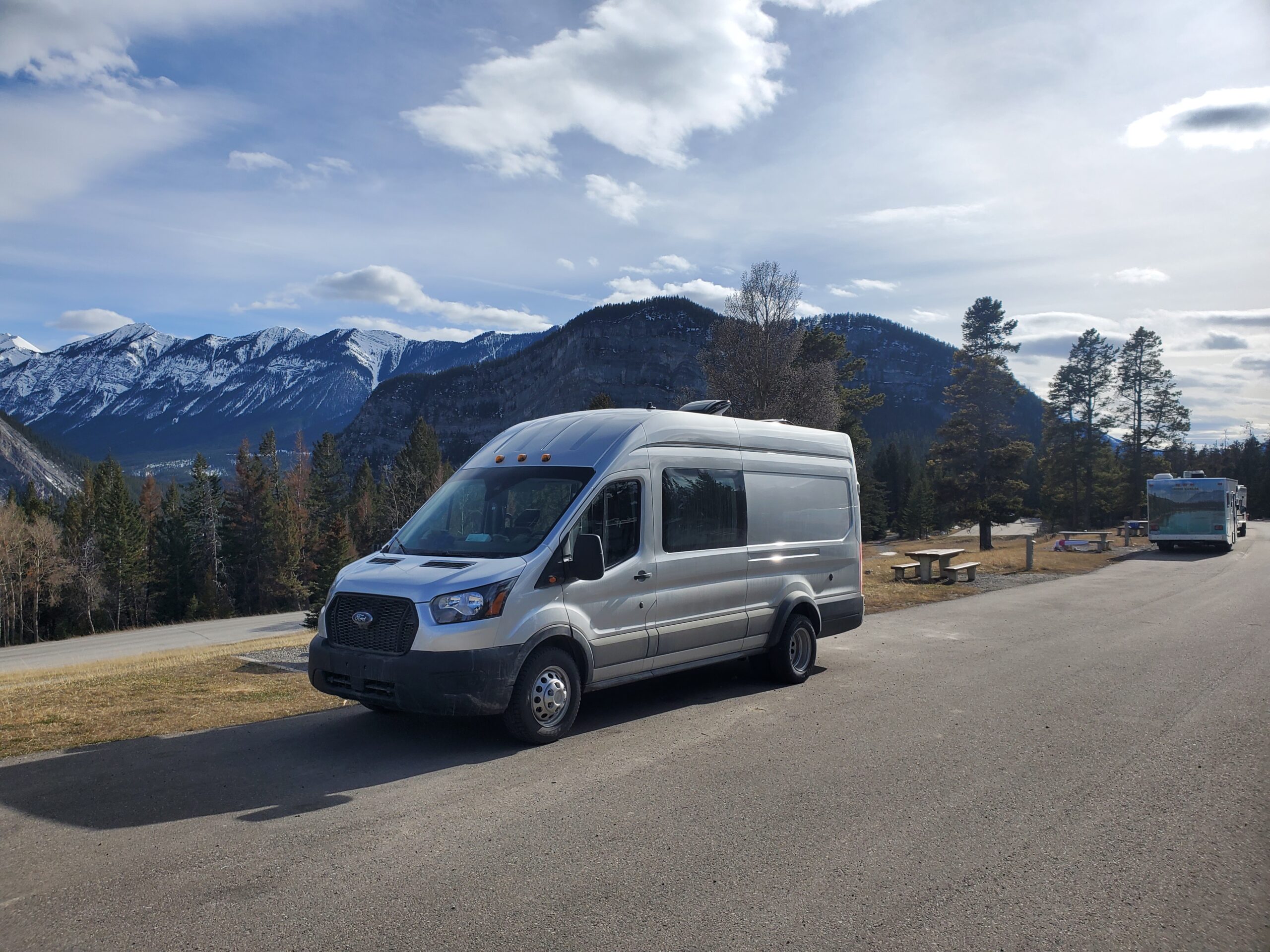
Canada & Rockies Considerations — What to Prioritize
Living in a van in the Canadian Rockies means preparing for long winters, short daylight hours, and heavy snow. These systems define both the cost and comfort of a build:
Insulation & Thermal Control
Closed-cell insulation, vapor barriers, and insulated blackout window covers reduce heat loss and condensation. Proper insulation ensures the cabin stays warm at -30°C.
Heating Options
Diesel air heaters provide steady, efficient warmth for Canadian winters. Proper ventilation and moisture management are equally critical to prevent condensation and mold in sub-zero conditions.
Power & Charging
Solar paired with lithium batteries is essential during short daylight months. Alternator and shore charging integrations keep systems reliable on cloudy stretches.
Water Systems
Heated tanks, insulated lines, and internal layouts reduce freeze risk. Many winterized builds include drain-back systems and carefully routed plumbing.
Storage & Workflow for Skiers
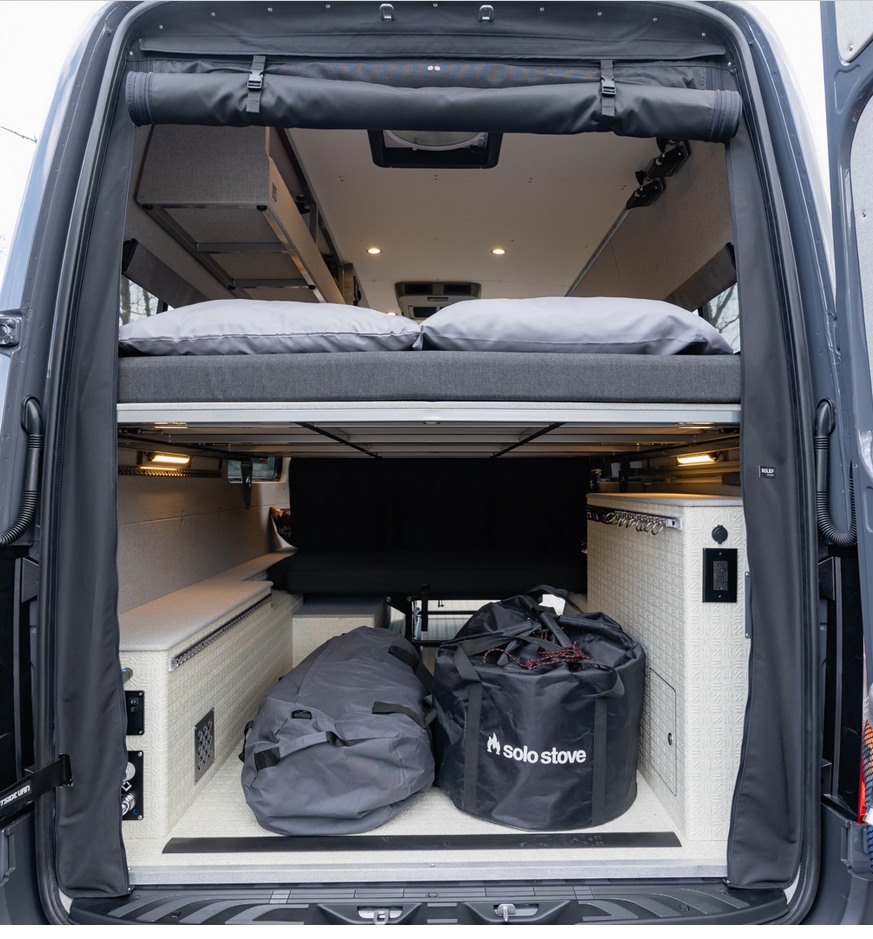
Heated boot drawers, under-bed ski bays, and rear gear garages keep equipment dry and reduce cabin moisture.
Ski Van Builds
- →If winter use defines your lifestyle, our Ski Vans are designed specifically for snow and sub-zero comfort in the Canadian Rockies.
Where to Save and Where to Spend
Budgeting isn't about cutting corners everywhere—it's about knowing what matters most in Canadian winters.
Spend on heating, insulation, electrical capacity, and water protection. These are what make winter vanlife possible.
Save on finishes, cabinetry, and modular furniture—you can always upgrade interiors later.
Feature Cost Adjustments
Cost Impact by Feature Priority
Not every dollar in a van build is equal. Some upgrades directly affect safety and comfort in Canadian winters, while others are more about convenience or lifestyle. Here's how different priorities typically influence your budget:
Real Build Scenario
- →A Red Deer skier might invest in high-end electrical and racks for winter travel but save on cabinetry to keep the project around $100,000.
Comparing DIY vs. Professional Builds
Many people start with the idea of a DIY build to save money. But the numbers often tell another story.
DIY Build Realities
- —Lower upfront cost (materials + your own labor).
- —Flexible, but often slower—projects can stretch over months or years.
- —Risk of costly mistakes with electrical, plumbing, or insulation.
- —Lower resale value if not certified.
Professional Build Advantages
- —Delivered in months, not years.
- —Built with tested systems for Canadian winters.
- —Higher long-term value and lower maintenance costs.
- —Warranty coverage and ongoing support.
Investing in a professional build ensures your van is safe, reliable, and truly four-season ready.
Other Costs to Factor Into Your Budget
Build cost is only one piece of the puzzle. Ownership means ongoing expenses:
Fuel Efficiency & Driving Costs
Large vans burn more fuel, especially in winter. Expect 12–18L/100km depending on load and terrain. Frequent trips to the Rockies from Calgary or Edmonton add up.
Maintenance & Repairs
Diesel heaters need servicing. Batteries wear down over years of use. Budget $500–$1,500 annually for winter system maintenance.
Upgrades Over Time
Many clients start with a mid-range build and add upgrades later: solar panels, cabinetry, or racks. Plan for incremental costs in years 2–3.
Planning Your Build Timeline
When people budget for a van conversion, they often focus only on dollars—but time is just as important. A custom build isn't something you drive away with overnight. Understanding the timeline helps set realistic expectations and avoid hidden costs like long delays or missed seasons.
Step 1: Research & Consultation
Start by outlining your goals: weekend ski trips, extended Rockies travel, or full-time living. This is when you compare builders, explore layout options, and get a sense of realistic budgets.
Step 2: Design & Estimates
Once you've chosen a builder, expect a design phase where your priorities are translated into layouts and cost estimates. This is also where upgrades like solar or family bunks get priced in.
Step 3: Build Phase
The hands-on conversion usually takes a few months. For most professional builders, a 2–4 month turnaround is common, though highly customized vans can take longer. This stage covers insulation, heating, electrical, plumbing, and finishes.
Step 4: Hitting the Road
Once your van is finished, don't expect to drive straight into a full winter season without testing it first. Plan a shorter trip to shake out any quirks—check how the heater performs at -15°C, how long the batteries last on cloudy days, and whether your storage works in real life. This trial run helps you make adjustments early, so you're not losing precious ski days or paying extra for fixes mid-season.
Conclusion: Building a Ski Van That Works in Canada
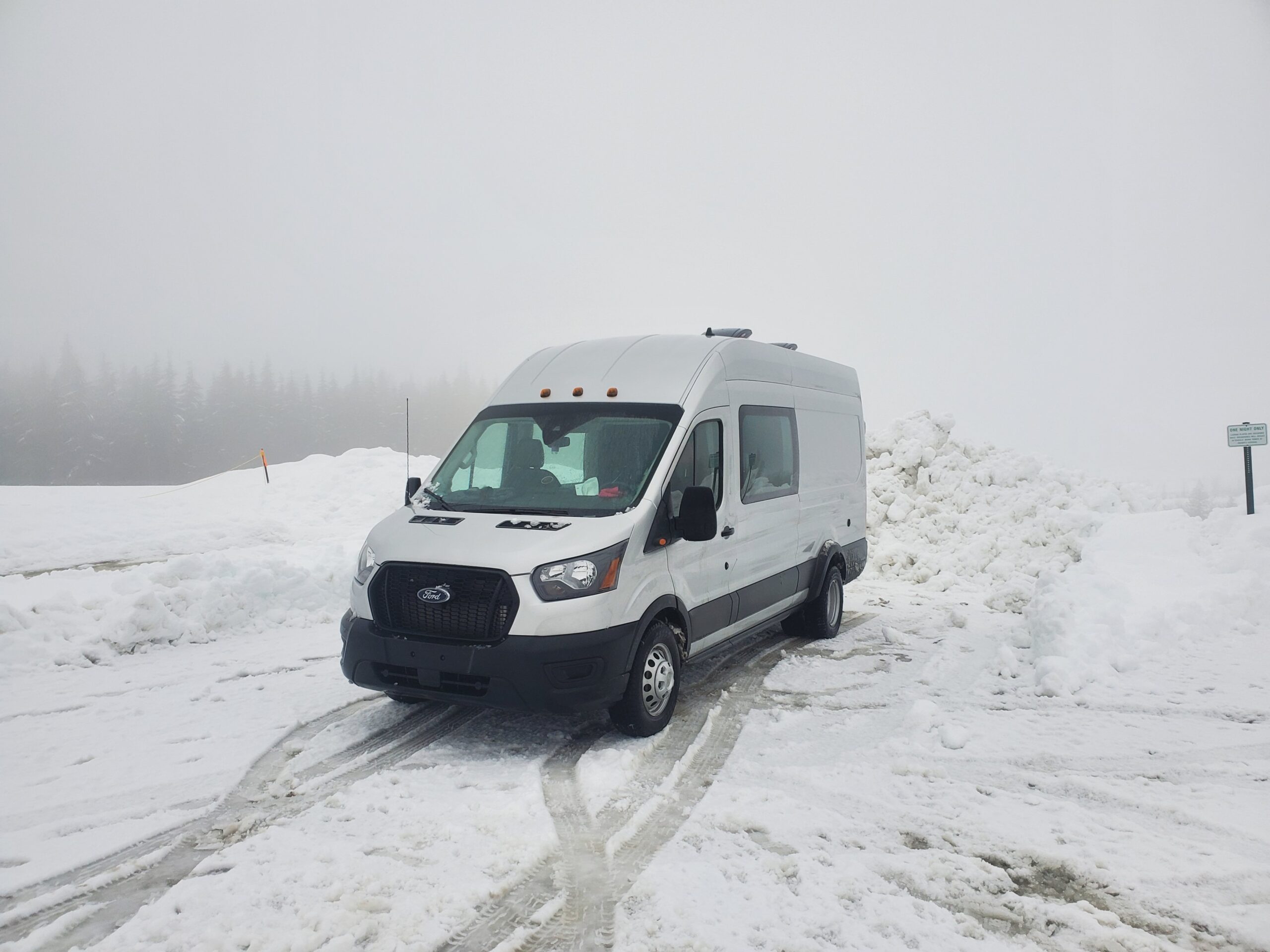
A winter camper van isn't just about comfort—it's about safety, reliability, and maximizing your time on the slopes. The right insulation, heating, power, and storage systems make the difference between battling frozen mornings and waking up ready for the first chair. Whether you're chasing powder weekends or living full-time in the Rockies, planning with these features ensures your van thrives in real Canadian winters.
Frequently Asked Questions
When budgeting for a custom van, clients often ask the same questions. Here are Reliable's answers:
Ready to Build Your Custom Van?
Reliable Campers specializes in Canadian Rockies-ready vans—insulated, heated, and built in Calgary for true four-season use. If you're planning weekend trips, cross-Canada adventures, or full-time vanlife, we can design a van that keeps you warm, organized, and comfortable all year long.
Contact Reliable Campers